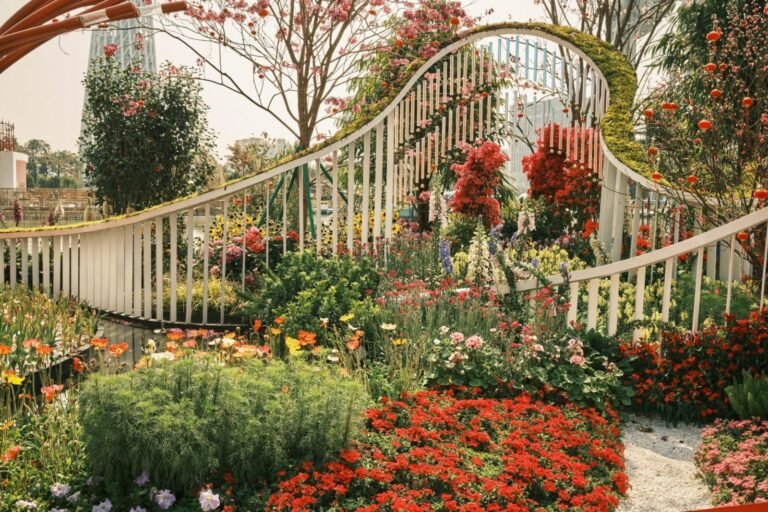
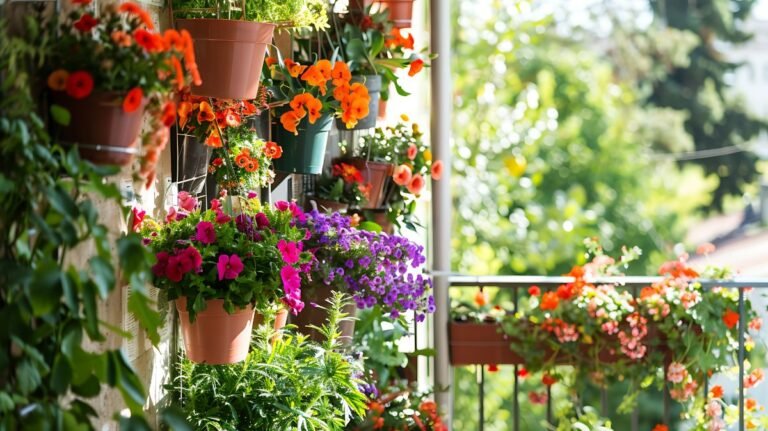
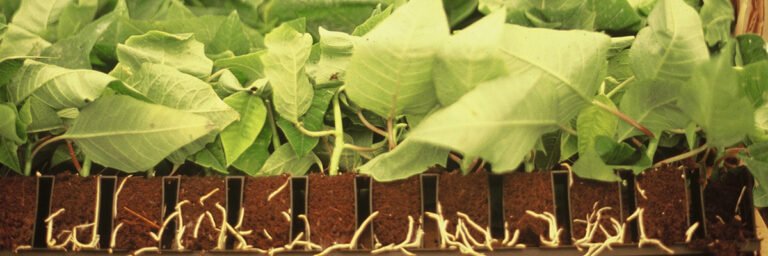
With spring just around the corner, February is a month of waiting and preparation for the coming season. The days are starting to get longer, sometimes still interspersed with cold and frost, but the first signs of the imminent arrival of spring are starting to be seen with some bulbs emerging from the ground in a garden that is silently awakening. So let’s roll up our sleeves and get ready for the new growing season!
Let’s see together the main jobs to do during February in your garden or terrace.
1. General maintenance
2. Sowing
3. Transplants
4. The soil
5. Pruning
6. Indoor plants
7. Meadow carethe
General maintenance
Check that the frost protection sheets are still in placearound pots and foliage because a sudden return of intense cold could nullify the work done previously and damage your plants.
Clean and service lawnmowers and garden toolsso that they are ready for proper use starting in the spring, and while you are there tidy up the tool shed. Also install the new rainwater tanks now.
Sowing
February is the month to start sowing indoors. You can try, perhaps with the help of the little ones in the family, sowing kale, broad beans, spinach, peas and leeks in trays to be placed on a warm and sunny windowsill or, if you are lucky enough to have one, place them in a greenhouse. There are also propagators or heated seedbeds on the market that can provide the growth conditions needed by the seedlings of some species such as basil, aubergine, chilli pepper and tomato. Instead, we can plant onion bulbs in the open ground. For early flowering, also sow ornamental species such as Ageratum, Snapdragons, Marigold, Cosmos, Gaillardia, Sweet peas, Salvia nemorosa, Senecio, Tagetes, Verbena and Zinnias so that you can plant them outdoors in spring, once the risk of late frosts has passed.
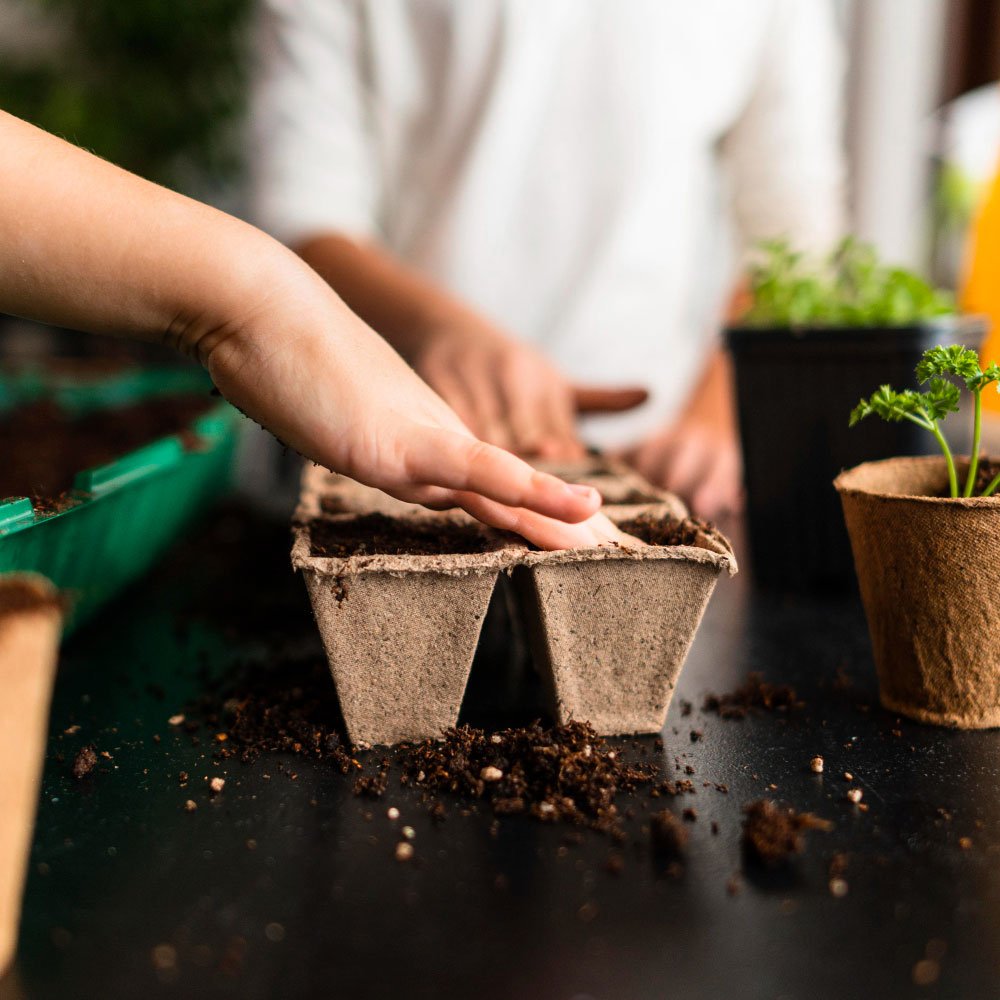
Knowing what to sow, when and how means being able to plan and, in the case of edible species, maintain constant supplies for all seasons. So organize the seeds available this year based on the sowing time by placing them in small bags and storing them in a box with dividers, you will see how much easier it will be for you during the weeks to come!
Transplants
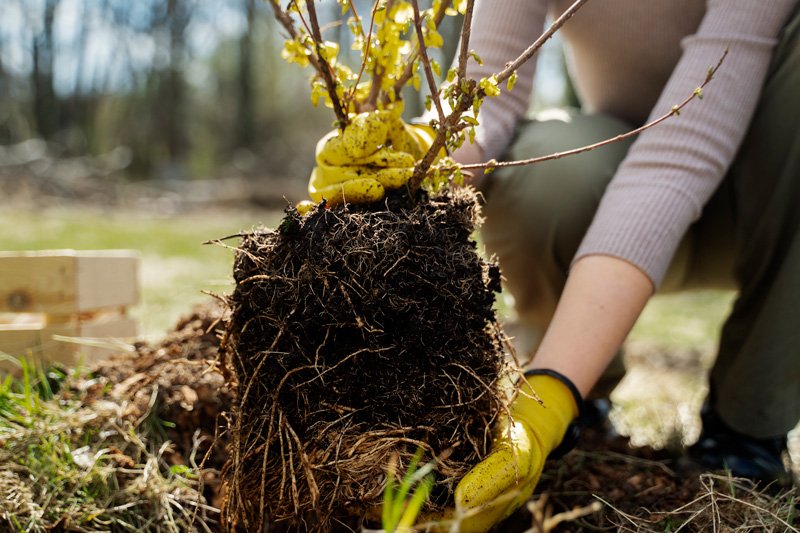
Making sure beforehand that the ground is not frozen or saturated with water, you can proceed with the tree transplant like the apple tree as well as roses, even bare root, and ornamental shrubs which Amelanchier x lamarckii, which will give elegance to your green spaces both during the spring flowering and with its autumn foliage and berries, andPrunus spinosa (blackthorn), suitable for creating hedges with high ecological value as a source of food for birds and small mammals as well as nectar for bees and bumblebees. Always remember to make a planting hole of proportionate size to the clod, adding organic matter and positioning the plant with the collar above the soil surface. You can start planting raspberry plants following a correct planting distance and being careful not to sink the clod, preferring sunny positions sheltered from the wind. Towards the end of the month, when the thermal conditions are milder, you can also plant strawberries bare root in holes of suitable size, spacing them correctly. If you want to give a particular accent to your vegetable garden or garden, it is still the time to transplant rhubarb, taking care to keep the buds at ground level.
To add color to your flowerbeds in spring and summer, plant Lily or Narcissus bulbs and Liatris bulbs in well-draining soil exposed to sunlight, whose extravagant flowers are loved by bees and butterflies. Don’t forget to gently divide the snowdrops, which have kept you company during the previous cold months, and replant them in groups.
The soil
Prepare the soil for spring sowing making sure to bury mature manure or compost which will represent a natural slow-release source of essential elements for correct vegetative development such as nitrogen, phosphorus and potassium, as well as improving the structure of the soil and encouraging microbial activity.
Add a layer of mulch where necessary, which is important for retaining moisture, regulating soil temperature and inhibiting the development of weed species in the months to come.
Pruning
Prune autumn raspberries removing old branches starting from the base to allow new shoots to grow and bear fruit better. Also don’t forget blackcurrants, redcurrants and gooseberries to prune in order to maintain a homogeneous production structure.
Prune shrubs that have finished their winter flowering like the Mahonia and the Viburnum x bodnantense as well as fruit trees such as apple and pear trees that are still dormant, while you wait for cherry, nectarine and plum trees. It’s time to prune the wisteria, eliminating old or damaged branches and shortening the more robust ones to encourage subsequent abundant flowering, as well as the ivy and theAmerican vine to keep gutters and tiles clean. We cut off the dried parts such as the stems of deciduous ornamental herbaceous plants without damaging the new shoots. You still have time to cut off dry inflorescences and old branches, crooked or frost-damaged branches of your beloved hydrangeas or to prune roses to encourage the development of new shoots.
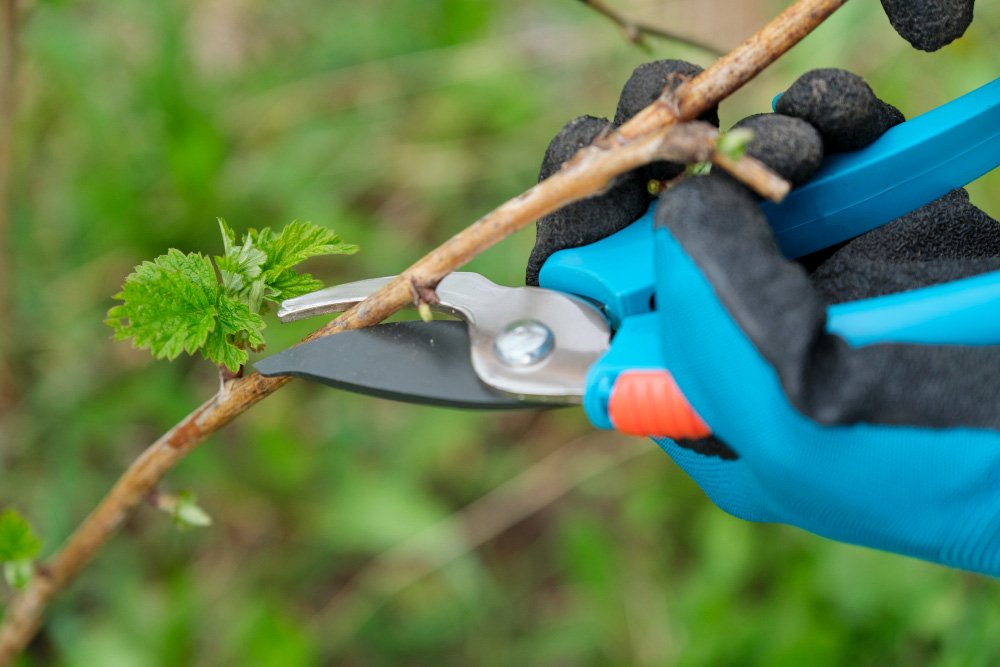
Remember to always prune with tools with very sharp and clean blades, wearing specific gloves. Also, cut the woody residues of pruning before adding them to the compost bins, to speed up the natural decomposition process.
Indoor plants
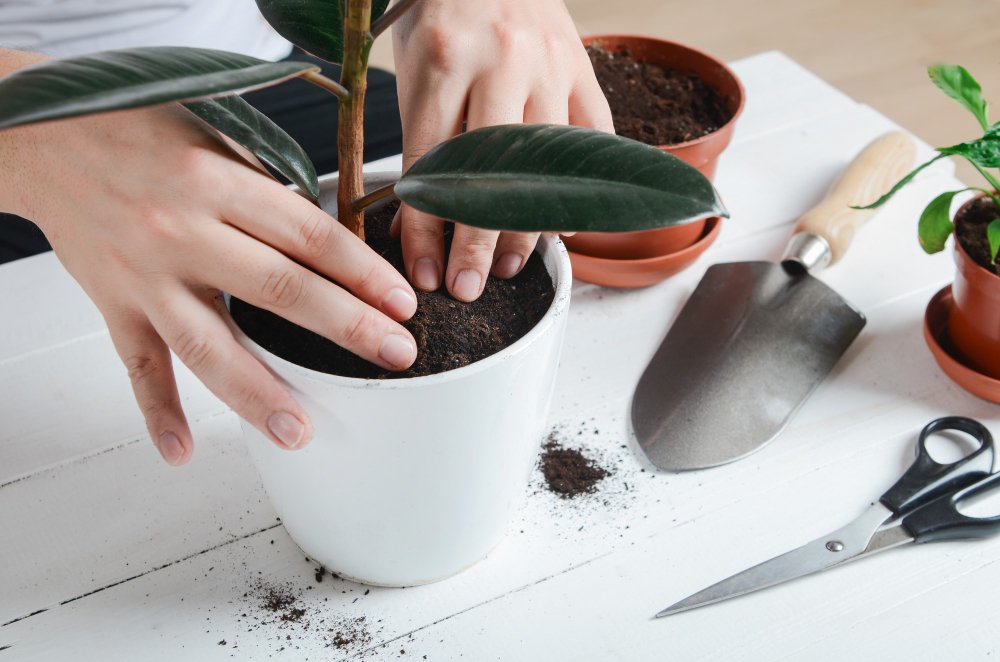
We can’t forget about your green friends who have kept you company throughout the winter! February is the month to prepare your houseplants for the next growing season, so make sure they still receive adequate light and are protected from cold drafts, always check the humidity level of the substrate before watering, remembering that a condition of water saturation can lead to stagnation and root rot, also gently remove any dust from the leaf blades and make a careful inspection to check for the presence of parasites. If necessary, you can repot them in clean and larger containers using high-quality professional substrate, finally add a specific water-soluble fertilizer to the substrate.
Lawn Care
Keep your lawn clean by gently raking away any dry leaves to allow light to pass through and gas exchange, and manually remove any weeds present.
Only if the temperatures are mild and stable can you begin with a first trim cut of the lawn if necessary, while if frost “takes over” wait to avoid damage to the leaves and thus to the turf. If you plan to sow a new lawn in the spring, now is the time to mark out and dig up the area, and you can also create a border, giving it a tidy appearance and simplifying subsequent maintenance.
Pay attention to any yellowing caused by nitrogen deficiency and in this case, only when temperatures exceed 5 °C, intervene with an initial fertilization. You can also amend with specific liquid products as well as carry out a treatment with mycorrhizae.
And finally…
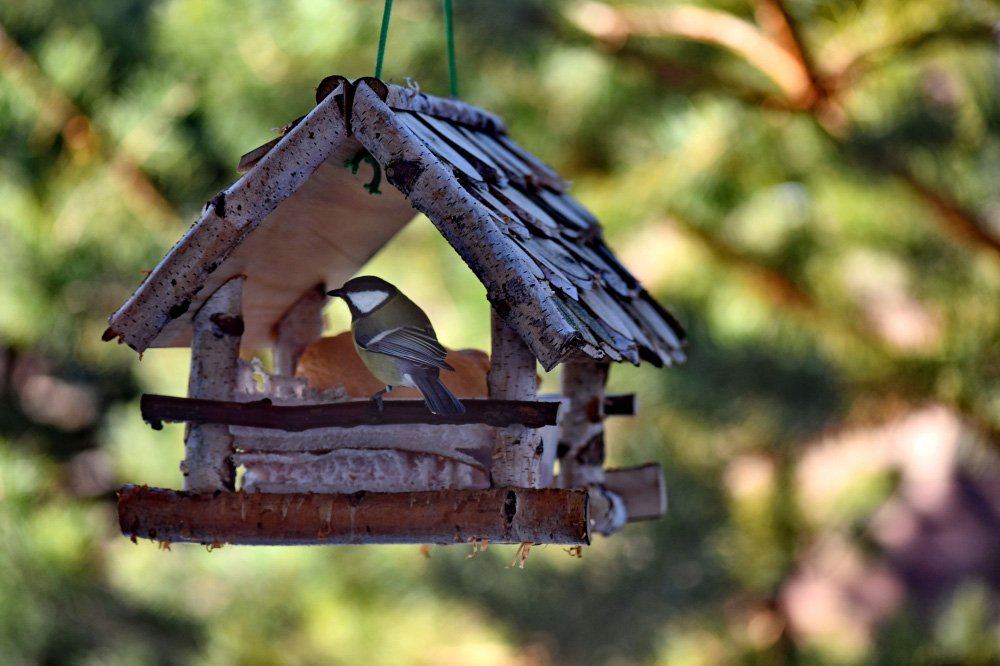
February is also a great time to care for wildlife, so important for biodiversity. So make sure you always make food and clean water available to your feathered friends since natural food sources are often scarce during the winter months, furthermore add one or more nesting boxes, positioning them away from the wind and direct sunlight.
Check preserved vegetables and fruit periodically removing in time those with the first signs of rot, the same precaution for those bulbs that should begin to soften.
You still have time to plan your green area and/or your vegetable garden for this year, in fact having a project in advance will help you understand what you will need and in what quantities, obtaining the desired effect without spending money.
Whether you are deciding to prune, fertilize, clean your flower beds or carry out other maintenance work on your still somewhat sleepy green space, remember that every little work you do in February will pay off this coming spring. So come on, cover up well, put on your gloves and get to work!